
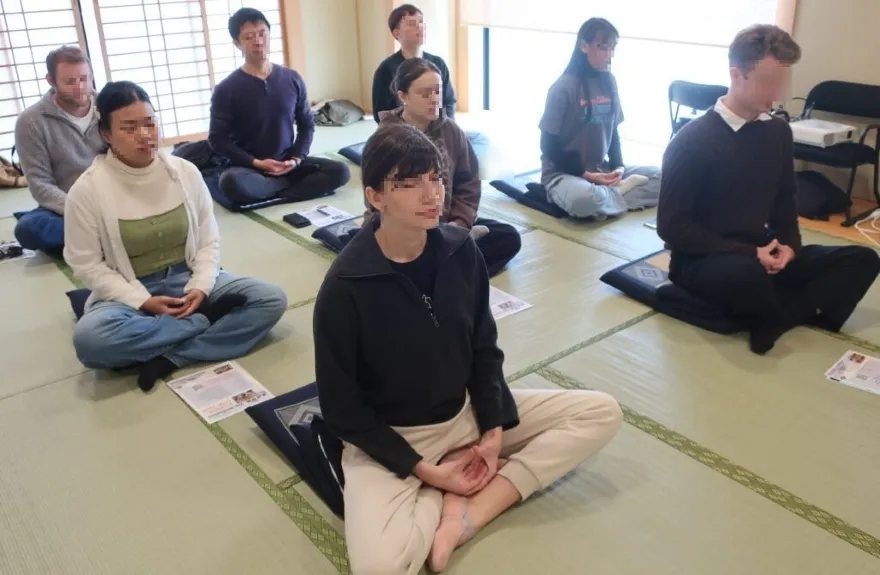
In the whirlwind of our modern lives, the pursuit of inner peace can often feel like chasing a distant star. The constant demands of work, relationships, and the relentless stream of information can leave us feeling overwhelmed and disconnected. Yet, within this very busyness lies an ancient practice that offers a profound pathway to tranquility and mental clarity: Zen meditation.
Unveiling Zen: More Than Just Stillness
Zen (禅), with its roots deeply embedded in Buddhist philosophy, is far more than simply sitting in silence. Originating from the Sanskrit term dhyāna, meaning “meditation,” Zen is a unique school of Mahayana Buddhism that emphasizes direct experience and intuitive insight as the keys to understanding ourselves and the nature of reality. It’s a path that transcends intellectual understanding, inviting us to connect with the present moment in its purest form.
Key aspects that define Zen include:
- The Primacy of Direct Experience: Zen diverges from a purely intellectual approach to truth. It posits that the deepest truths cannot be grasped through words or concepts alone, but rather through direct, personal realization cultivated through meditative practice.
- Zazen: The Heart of Practice: While Zen encompasses various forms of expression, zazen (座禅), or seated meditation, stands as its central pillar. It is through the disciplined and consistent practice of zazen that we cultivate mindfulness, concentration, and ultimately, insight.
- Mindfulness in the Present Moment: Zen training cultivates a sharp and non-judgmental awareness of the “now.” By anchoring our attention in the present, we learn to observe the ebb and flow of thoughts, emotions, and sensations without being swept away by them.
- Embracing Simplicity and Naturalness: Zen often champions a way of life and practice that is stripped of unnecessary complexities. It encourages us to find the profound within the ordinary and to embrace the natural unfolding of life.
- The Guiding Light of a Teacher: While the ultimate experience is personal, the guidance of a qualified Zen teacher is often invaluable. Teachers provide instruction, offer encouragement, and help students navigate the subtle nuances of the practice.
- Living Zen: The insights gained through Zen practice are not meant to remain confined to the meditation cushion. The true essence of Zen lies in its integration into the fabric of our daily lives, fostering a more mindful and engaged way of being in the world.
The Ancient Roots of Zen
The story of Zen begins in ancient India with Siddhartha Gautama, the historical Buddha, who lived over 2,500 years ago. His profound experience of enlightenment under the Bodhi tree laid the groundwork for Buddhist philosophy and the path of meditation, which subsequently journeyed across Asia.
The specific lineage of Zen traces back to Bodhidharma, a revered Indian Buddhist monk who is believed to have arrived in China in the 6th century CE. He is venerated as the First Patriarch of Chan Buddhism, the Chinese ancestor of Zen. Legend recounts his unwavering dedication to meditation, spending nine years in silent contemplation facing a wall, a testament to the profound focus cultivated in Zen practice. Bodhidharma’s teachings emphasized the paramount importance of meditation and the direct realization of one’s inherent Buddha-nature.
Over the centuries, Chan Buddhism flourished in China, evolving and diversifying through the wisdom and insights of numerous influential masters. Figures like Huineng, the Sixth Patriarch, played a pivotal role in shaping the unique character of Chan, highlighting spontaneity, intuitive understanding, and the innate enlightenment present within all beings.
Zen’s Voyage, arraival to Japan: A Cultural Transformation
Zen’s arrival in Japan during the Kamakura period (1185-1333) marked a transformative moment in its history and profoundly influenced Japanese culture. Two visionary Japanese monks, Eisai and Dōgen, journeyed to China and were deeply immersed in the teachings of Chan Buddhism. Upon their return, they established the Rinzai and Sōtō schools of Zen, respectively, each with its distinct approach.
- Rinzai Zen: The Path of Insight: Eisai (1141-1215) founded the Rinzai school, which garnered significant support from the samurai warrior class. Rinzai Zen is characterized by its emphasis on koan (公案) study – enigmatic riddles or questions designed to shatter conventional thought patterns and trigger sudden flashes of insight. Rinzai practice often involves intensive meditation periods and dynamic interaction with a Zen teacher.
- Sōtō Zen: The Way of Just Sitting: Dōgen (1200-1253) established the Sōtō school, which emphasizes shikantaza (只管打坐), or “just sitting.” This practice involves sitting in silent awareness, without any specific object of focus or striving for any particular goal. Sōtō Zen underscores the inherent enlightenment that is realized through the simple act of being fully present.
Over time, Zen Buddhism deeply permeated the fabric of Japanese culture, leaving an indelible mark on various art forms such as calligraphy, ink painting (sumi-e), the intricate rituals of the tea ceremony (chanoyu), the delicate artistry of flower arrangement (ikebana), and even the disciplined movements of martial arts. The core aesthetic principles of Zen – simplicity (wabi-sabi), naturalness, and the acceptance of impermanence – became deeply woven into the Japanese psyche.
Finding Peace of Mind Through Zen
In our quest for inner peace, Zen meditation offers a powerful and direct approach. By cultivating a focused awareness of the present moment, we begin to unravel the knots of anxiety, stress, and mental clutter that often cloud our minds.
Here’s how Zen practice contributes to a greater sense of peace of mind:
- Quieting the Mental Chatter: The constant stream of thoughts, worries, and judgments that often dominates our inner landscape begins to subside as we learn to observe them without engagement. This creates space for a deeper sense of stillness.
- Reducing Stress and Anxiety: By anchoring ourselves in the present moment, we lessen the grip of worries about the future and regrets about the past, which are often significant sources of stress and anxiety.
- Cultivating Emotional Resilience: Through mindful observation of our emotions as they arise and pass, we develop a greater capacity to navigate them without being overwhelmed. We learn that emotions are transient and do not define us.
- Enhancing Self-Awareness: Zen practice fosters a deeper understanding of our own thoughts, feelings, and patterns of behavior. This self-knowledge empowers us to make more conscious choices and respond to life’s challenges with greater clarity.
- Developing Concentration and Focus: The discipline of focusing on the breath in zazen strengthens our ability to concentrate, not only during meditation but also in our daily tasks.
- Fostering a Sense of Acceptance: Zen encourages a non-judgmental observation of reality, including ourselves. This cultivates a greater sense of acceptance towards ourselves and the circumstances of our lives, leading to inner peace.
- Connecting with Inner Stillness: Through consistent practice, we begin to tap into an underlying sense of peace and tranquility that resides within us, a stillness that is always present beneath the surface of our thoughts and emotions.
The Practice of Zazen: A Step-by-Step Guide
The cornerstone of Zen’s path to peace of mind is zazen, seated meditation. While specific instructions may vary slightly among different schools and teachers, the fundamental principles remain consistent.
Preparing for Stillness:
- Finding Your Posture: Choose a stable and comfortable seated position. Traditionally, this involves sitting cross-legged on a cushion (zafu), but kneeling or sitting on a chair with your feet flat on the floor are also perfectly acceptable. The crucial element is maintaining a straight but relaxed spine, allowing for natural and unobstructed breathing.
- Hand Placement: The hands are typically held in the kosho mudra (cosmic mudra), with the left hand resting palm-up in the right hand, and the tips of the thumbs lightly touching to form an oval. Rest your hands gently in your lap.
- The Gaze: Your eyes are usually lowered, with a soft, unfocused gaze directed about a meter in front of you. Alternatively, you can gently close your eyes.
- The Mouth: Keep your mouth gently closed, with your tongue resting lightly against the roof of your mouth.
Entering the Stillness:
- Focusing on the Breath: The breath is often the primary anchor in zazen. Simply observe the natural rhythm of your breath as it enters and leaves your body. There’s no need to control or change it; just become aware of the sensations of each inhalation and exhalation.
- Welcoming Thoughts: As you sit, thoughts and emotions will inevitably arise. The practice is not to suppress them but to gently acknowledge their presence without getting carried away. Observe them as you would clouds passing in the sky, and then gently redirect your attention back to your breath.
- Observing Sensations: You may also become aware of physical sensations – an itch, a slight discomfort, sounds around you. Again, the practice is to observe these sensations without reacting or becoming attached to them.
- Cultivating Non-Judgment: Approach your experience with an attitude of non-judgment. There is no “right” or “wrong” way to feel or think during meditation. Simply be present with whatever arises in the moment.
- Embracing Patience and Persistence: Zazen is a practice that unfolds over time. Don’t be discouraged by initial challenges or the feeling that your mind is too busy. Consistent practice, even for short periods, will gradually deepen your concentration and awareness.
The Rewards of Zazen:
The consistent practice of zazen offers a wealth of benefits for both the mind and the body, leading to a greater sense of peace and well-being:
- Significant Reduction in Stress and Anxiety Levels.
- A Deeper Understanding of One’s Own Thoughts and Emotions.
- Enhanced Ability to Regulate Emotional Responses.
- Increased Feelings of Calmness and Inner Stillness.
- Cultivation of Compassion and Empathy Towards Oneself and Others.
- A Greater Sense of Presence and Appreciation for the Present Moment.
Weaving Zen into the Fabric of Daily Life
The transformative power of Zen extends far beyond the meditation cushion. The principles and insights cultivated in zazen are meant to permeate every aspect of our daily lives, leading to a more mindful and peaceful way of being.
- Mindful Action: Bring the same focused attention you cultivate in zazen to everyday activities – eating, walking, working, and interacting with others. Pay attention to the sensory details of each moment.
- Non-Reactive Presence: Practice observing your reactions to situations without immediately getting swept away by them. Create a space between stimulus and response, allowing for a more thoughtful and skillful engagement with life’s challenges.
- Embracing Impermanence: Cultivate an awareness of the ever-changing nature of reality. This helps to loosen our grip on attachments and expectations, fostering a greater sense of acceptance and peace.
- Cultivating Gratitude: Take time to appreciate the simple things in life. Gratitude shifts our focus from what we lack to what we have, fostering a more positive and peaceful outlook.
- Compassionate Connection: Approach your interactions with others with kindness, understanding, and empathy. Recognizing our shared humanity fosters a sense of connection and reduces feelings of isolation.
Beginning Your Journey to Inner Peace
The path of Zen is a personal exploration, a journey of self-discovery and the cultivation of inner peace. It’s not about achieving a specific outcome or reaching a final destination, but rather about embracing a way of being that is characterized by presence, awareness, and compassion in each moment.
If the principles and practices of Zen meditation resonate with you, consider taking the first steps on this transformative path:
- Seek Guidance: Look for qualified Zen teachers or established Zen centers in your community. They can provide invaluable instruction, support, and a sense of community.
- Start Simply: Begin with short meditation sessions and gradually increase the duration as you feel comfortable. Consistency is more important than length, especially in the beginning.
- Explore Resources: Read books, articles, and listen to talks on Zen Buddhism and meditation to deepen your understanding.
- Consider Introductory Programs: Many Zen centers offer introductory workshops or retreats that provide a more immersive experience and a solid foundation in the practice.
- Be Patient and Kind: The journey of Zen is a marathon, not a sprint. Be patient with yourself, acknowledge your challenges, and approach your practice with kindness and acceptance.
In a world that often feels chaotic and overwhelming, Zen meditation offers a timeless and profound path to finding peace of mind. By embracing the stillness of zazen and integrating its principles into our daily lives, we can discover the deep wellspring of tranquility that resides within each of us. The journey towards inner peace begins with a single, mindful breath.