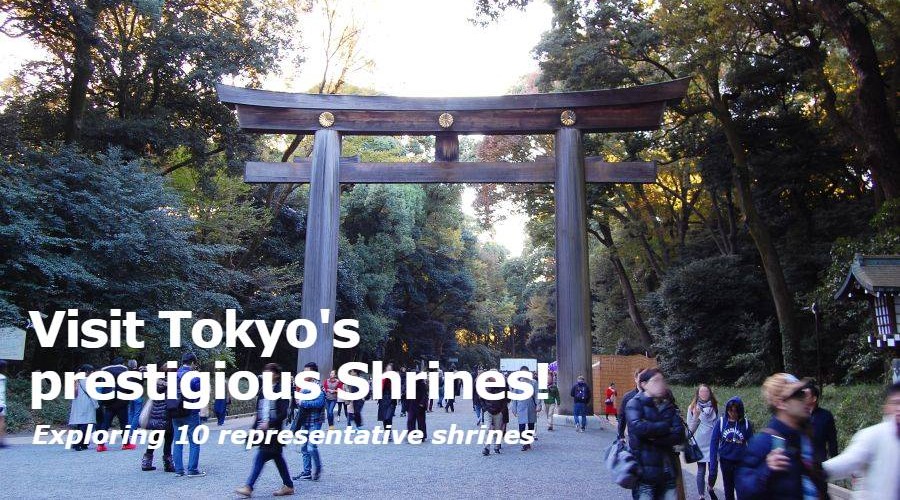
Tokyo, a vibrant metropolis where modernity and tradition harmoniously coexist, is home to a collection of shrines that exude an aura of grandeur and historical significance.
These are the Tokyo 10 Shrines, a group of revered sanctuaries with deep ties to the city’s past and the imperial family.
A Glimpse into History of Tokyo 10 Shrines
The story of the Tokyo 10 Shrines traces back to the Meiji era, a period of profound transformation for Japan. In 1868, Emperor Meiji, seeking to consolidate imperial authority and promote national unity, designated several shrines as “jun-chokusai-sha” (quasi-imperial shrines). These shrines were granted the honor of receiving offerings from the imperial family, elevating their status and prestige.
Over time, the composition of the Tokyo 10 Shrines has evolved, with some shrines being elevated to “chokusai-sha” (imperial shrines) and others stepping in to fill their place. Today, the Tokyo 10 Shrines stand as a testament to the enduring legacy of the Meiji era and the enduring importance of Shintoism in Japanese culture.
The Allure of the Tokyo 10 Shrines: Immerse into Japanese Spirituality and Culture
Visiting the Tokyo 10 Shrines is not merely a sightseeing excursion; it’s an immersive experience that allows you to delve into the heart of Japanese spirituality and culture. Each shrine possesses its own unique charm, architectural splendor, and historical anecdotes, offering visitors a captivating glimpse into the nation’s rich heritage.
The Tokyo 10 Shrines: A Sacred Itinerary
1. Hie Shrine
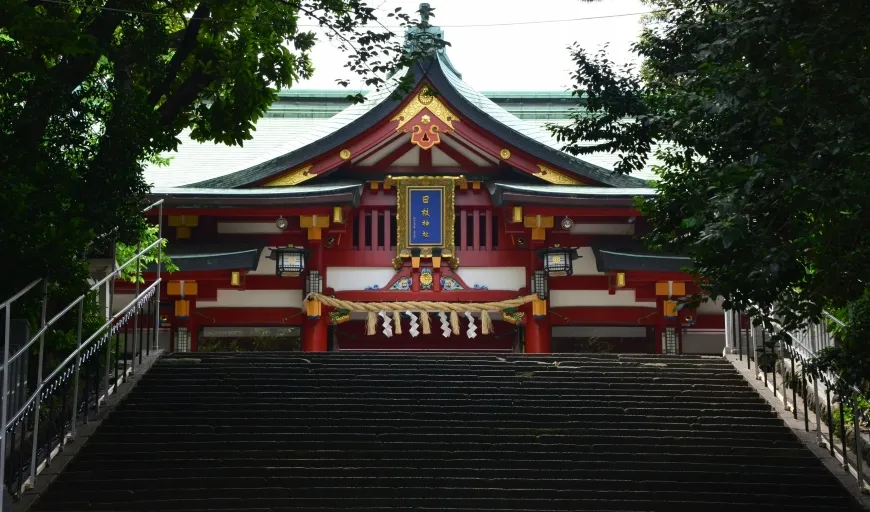
Nestled amidst the skyscrapers of Akasaka, Hie Shrine is a serene oasis dedicated to the mountain deity Oyamakui-no-Kami.
Admire the shrine’s iconic “shinmon” gate, flanked by a pair of guardian monkeys, believed to ward off evil spirits.
Hie Shrine is a prestigious shrine which had received offerings to the god from the imperial family
since the Meiji era.
Hie Shrine was designated as a First Class Government Shrine before the Second World War, and
was a highly respected place of worship for the people of Tokyo.
2. Nezu Shrine
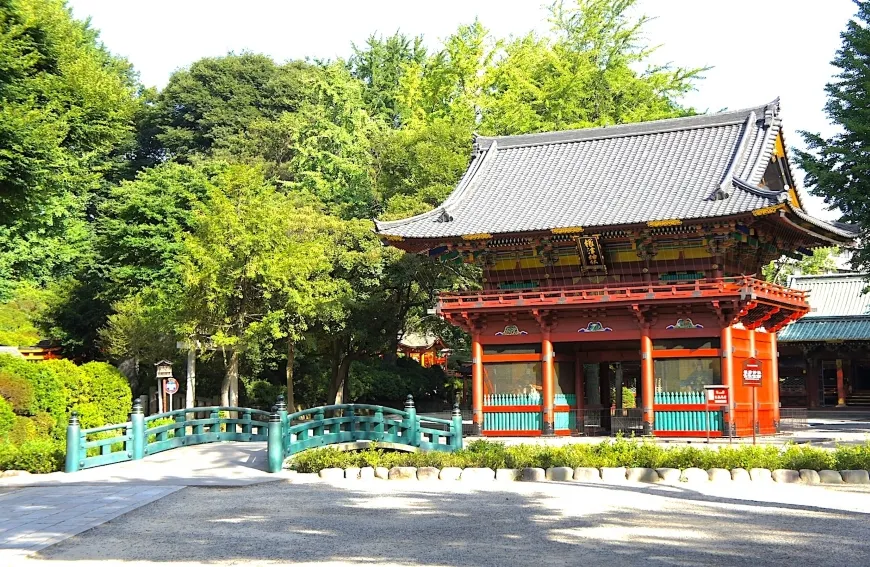
Dating back to the 1st century AD, Nezu Shrine is one of Tokyo’s oldest shrines, renowned for its picturesque vermilion tunnel of torii gates.
Stroll through the shrine’s tranquil garden, featuring a pond, a traditional stage, and a collection of azalea bushes that bloom vibrantly in spring.
The honden (main shrine), heiden (hall of offerings), haiden (hall of worship), Karamon gate, west gate, transparent fences, and tower gate are all still intact, and these structures, which have survived from the Edo Period (1603-1868), have been designated as Important Cultural Properties by the government of Japan.
3. Kanda Shrine (Kanda Myojin)
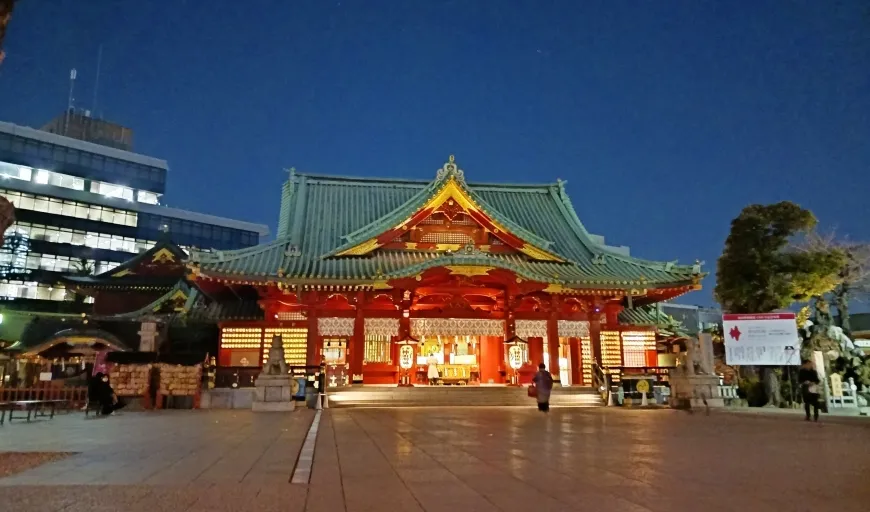
A vibrant shrine with a history spanning over 1,270 years, Kanda Shrine is dedicated to three deities, including Daikokuten, the god of wealth and prosperity.
Witness the lively Kanda Festival, one of Tokyo’s three major festivals, held annually in May.
The shrine is also popular among anime fans as a sacred place because of the frequent
appearances of the shrine in anime films set in Akihabara.
One of the most eye-catching features of the shrine is the EDOCCO Cultural Exchange Center, a modern glass-walled facility that opened in 2018 in advance of the 1,300th anniversary of the shrine’s founding in 2030.
In the back of the building is the Kanda Myojin Café “EDOOCCO CAFE MASUMASU” where you can enjoy original sweets as well as meals such as “Katsu Curry” and “Ginger-yaki Plate” to bring you good luck.
4. Shinagawa Shrine
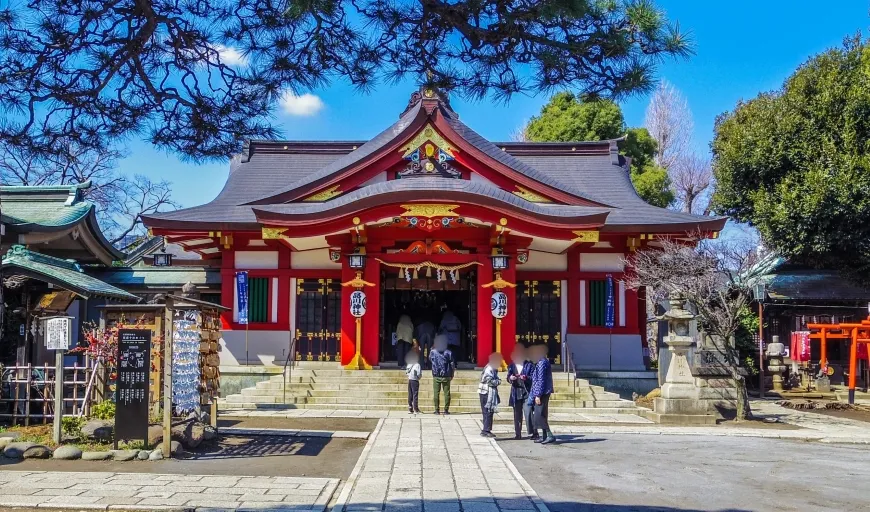
Perched atop a hill overlooking Tokyo Bay, Shinagawa Shrine offers panoramic views of the city skyline.
Explore the shrine’s unique features, such as the replica of Mount Fuji and the “hokora” (small shrine) dedicated to the sea deity.
A shrine located on the top of a small hill. It has been designated as a Tokyo Jissha (10 shrines
in Tokyo), a shrine as a guardian of Tokyo, and a prayer for peace. It is one of the shrines
where you can see the "Souryu tori", which a fine dragon is engraved, and also is few in number
in Tokyo.
5. Fukagawa Hachiman Shrine (Tomioka Hachiman Shrine)
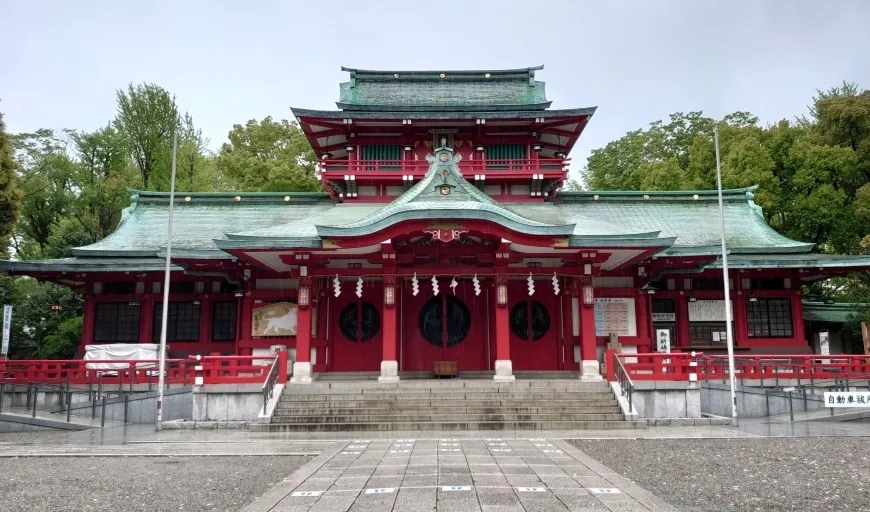
A sprawling shrine complex in the Fukagawa district, Fukagawa Hachiman Shrine is dedicated to the war deity Hachiman.
Marvel at the shrine’s grand “omikoshi” (portable shrine), one of the largest in Tokyo, used in the Fukagawa Hachiman Festival.
As with many shrines, Tomioka Hachiman is also the site of many outdoor markets, including a
popular antique market on the 1st, 2nd, 4th and 5th Sundays of the month (except when those
days are the 15th or 28th of the month, when there is a local market instead).
6. Akasaka Hikawa Shrine
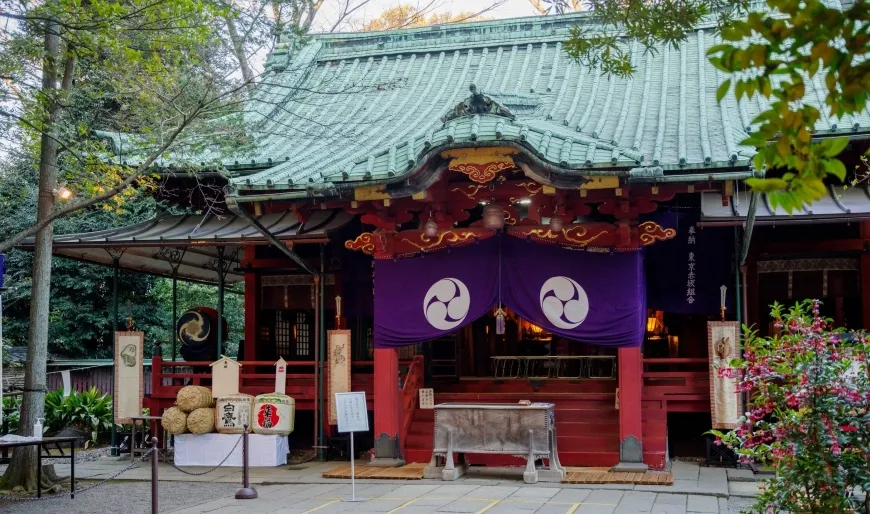
A peaceful sanctuary tucked away in the Akasaka district, Akasaka Hikawa Shrine is known for its beautiful ginkgo tree and its association with matchmaking.
Participate in a traditional Shinto wedding ceremony, often held at the shrine’s elegant ceremonial hall.
Akasaka Hikawa Shrine is a power spot famous for its matchmaking blessings.
The matchmaking visit held once a month is so popular that it fills up quickly after reception begins. During the matchmaking visit, you can pray for a good match with a special prayer, but even a regular visit is sufficient for blessings.
In addition, there is a wide variety of amulets and lucky items available, so if you want to attract a good
match, be sure to visit.
7. Oji Shrine
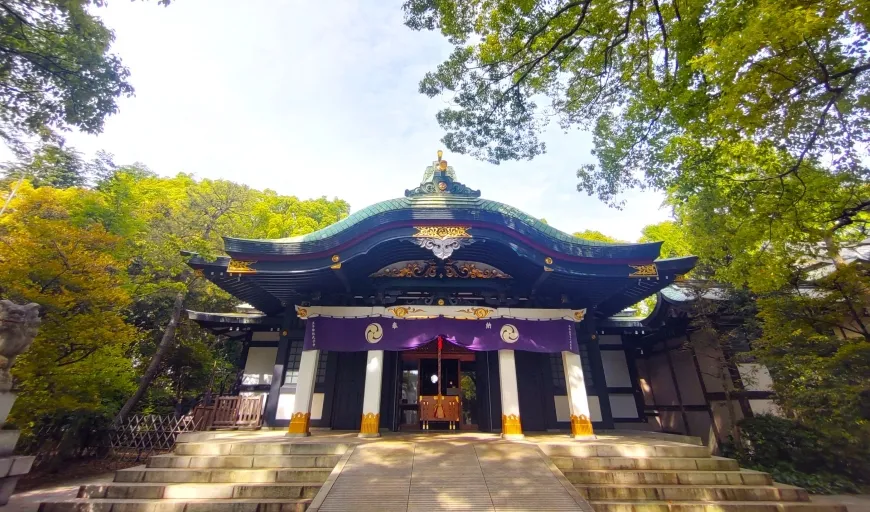
A historic shrine in the northern district of Oji, Oji Shrine is dedicated to the fox deity Inari.
Wander through the shrine’s expansive grounds, featuring a pond, a waterfall, and a collection of fox statues.
Oji Shrine is located on a hill right by Otonashi Shinsui Park. With a history going back to Kamakura Period (1185 – 1333), this is one of the oldest shrines in Tokyo.
It is famous for giving protection against fires and natural disasters, that is why at New Year’s, many people come here for hatsumode, the first visit to a shrine in the new year.
8. Kameido Tenjin Shrine
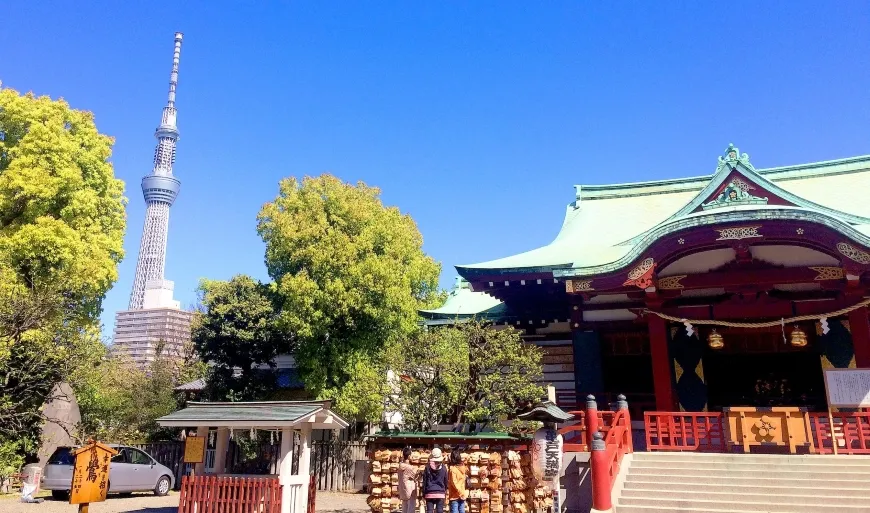
A shrine dedicated to the deity of learning, Sugawara no Michizane, Kameido Tenjin Shrine is a popular destination for students seeking academic success.
Admire the shrine’s iconic arched bridge, known as the “taiko-bashi” (drum bridge), and its beautiful wisteria trellises.
Kameido Tenjinja Shrine is famous for ume (plum) blossoms and wisteria flowers in addition to prayers for success. Especially during the wisteria festival held from mid-April to early May, the shrine is especially crowded with tourists.
9. Shiba Daijingu Shrine

A shrine with a history dating back over 1,000 years, Shiba Daijingu Shrine is dedicated to the sun goddess Amaterasu and the deity of agriculture Toyouke-Okami.
Experience the vibrant Shiba Daijingu Festival, held annually in September, featuring a parade of portable shrines and traditional music.
The shrine was originally called Hibiya Grand Shrine, but was destroyed in the Great Kanto Earthquake of 1923. In 1928, it was rebuilt in its current location in Iidabashi, and the name was changed to Tokyo Daijingu. It was the first shrine where Shinto wedding ceremonies were held, and is known as the most famous
god of marriage in Tokyo, attracting many female worshippers.
10. Hakusan Shrine
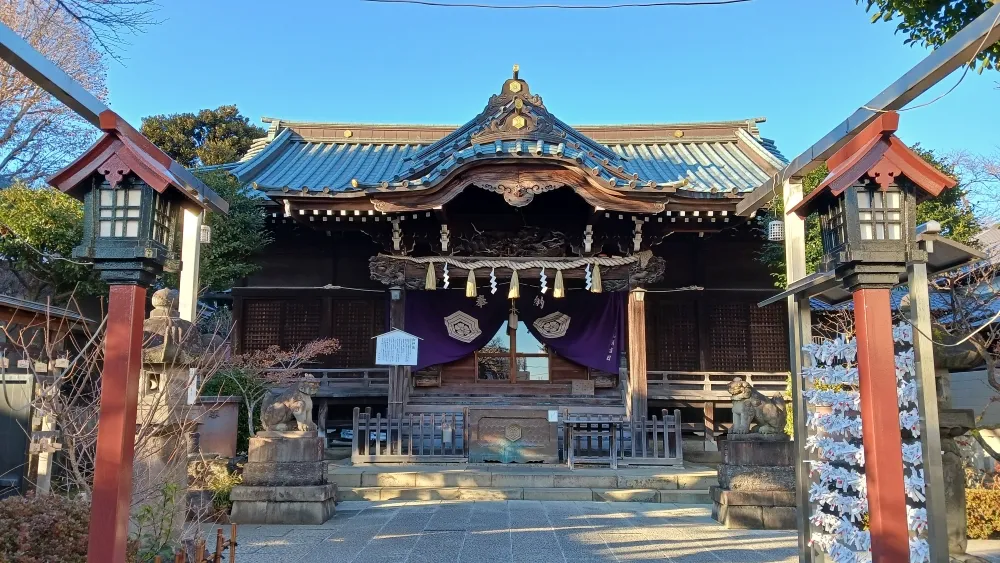
A serene shrine in the Bunkyo district, Hakusan Shrine is dedicated to the deity of Mount Hakusan.
Discover the shrine’s hidden gem, a small pond known as the “shinji-ike” (divine pond), believed to grant wishes to those who purify their hands in its water.
Hakusan-jinja Shrine stands at the foot of Mount Joyama upon which Hakusan-jo Castle was built, and looks to Mount Hakusan in Kaga Province as its sacred mountain.
Hakusan Shrine is well-known as a hydrangea shrine in Tokyo downtown. In July, about 3000 trees of hydrangea color the precinct beautifully.
Collecting Goshuin 御朱印: A Sacred Souvenir
As you embark on your shrine-hopping adventure, don’t forget to collect “goshuin” (御朱印), beautifully calligraphed stamps that serve as proof of your visit. Each shrine has its own unique goshuin design, making them treasured souvenirs for shrine enthusiasts.
A Spiritual Sojourn: Embrace the Tranquility of Tokyo’s Sacred Shrines
The Tokyo 10 Shrines offer a captivating blend of history, culture, and spirituality, providing visitors with an unforgettable glimpse into the heart of Japan. Whether you’re seeking spiritual enlightenment, cultural immersion, or simply a moment of tranquility amidst the bustling metropolis, a visit to these prestigious shrines is sure to leave a lasting impression.