Japan’s public transportation system is world-renowned for its efficiency, punctuality, and cleanliness. It’s an intricate network that might seem daunting at first glance, but with a little understanding, you’ll be zipping around like a seasoned local in no time!
This comprehensive guide will break down how to effectively use Japan’s trains, buses, and the iconic Shinkansen, ensuring your journey is as smooth as possible.
Why Japan’s Public Transport is Your Best Friend
- Punctuality: Trains and buses run almost precisely on schedule.
- Efficiency: High frequency and well-connected lines get you everywhere.
- Cleanliness: Vehicles and stations are impeccably maintained.
- Safety: Extremely safe, even late at night.
- Coverage: Reaches virtually every corner of the country.
1. Trains & Subways: The Backbone of City Travel
Trains and subways are your primary mode of transport within Japan’s major cities like Tokyo, Osaka, and Kyoto. The system is a mix of JR (Japan Railways) lines and various private railway companies and subway lines.
How to Use Them (Step-by-Step):
- Plan Your Route:
- Google Maps: Your absolute best friend. Type in your destination, and it will show you the best route, train lines, transfer points, fares, and even platform numbers.
- Dedicated Apps: “Japan Transit Planner” (Jorudan) or “HyperDia” offer detailed routes, fares, and sometimes platform info.
- Station Maps: Look for large, colorful route maps at stations. English versions are usually available.
- Buy Your Ticket / Use an IC Card:
- IC Cards (Recommended!): Get a Suica (Tokyo area), PASMO (Tokyo area), or ICOCA (Kansai area) upon arrival. These pre-paid, rechargeable cards are a game-changer.
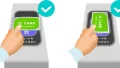
- How to use: Simply touch the card to the reader at the ticket gate when entering and exiting. The fare is automatically deducted.
- Benefits: Saves time (no need to buy individual tickets), avoids fare calculation errors, universally accepted on most trains, subways, and buses across Japan (even if purchased in a different region, they are largely interoperable).
- Where to buy: Ticket machines at major stations. Some stations have tourist-specific “Welcome Suica” or “PASMO Passport” that don’t require a deposit but have a limited validity. Or, download Mobile Suica/PASMO to your smartphone if it’s compatible for ultimate convenience (top up directly from your credit card!).
- Individual Paper Tickets: If you don’t have an IC card, find the fare on the route map above the ticket machines (or on Google Maps). Purchase a ticket for that exact fare.
- How to use: Insert your ticket into the slot at the ticket gate. It will pop out on the other side – take it! You’ll need it to exit at your destination.
- IC Cards (Recommended!): Get a Suica (Tokyo area), PASMO (Tokyo area), or ICOCA (Kansai area) upon arrival. These pre-paid, rechargeable cards are a game-changer.
- Find Your Platform:
- Look for signs indicating your line name, direction, and platform number. These are usually clearly marked in Japanese and English.
- Electronic displays show the next train’s destination and departure time.
- Board the Train:
- Queue Up: Japanese people queue patiently at designated spots on the platform. Wait for passengers to alight before boarding.
- Mind the Gap: Be aware of the gap between the platform and the train.
- Rush Hour: Avoid rush hour (roughly 7:30-9:30 AM and 5:00-7:00 PM on weekdays) if possible, especially in Tokyo. Trains can get extremely crowded.
- On the Train:
- Etiquette: Keep conversations low, avoid talking on the phone, don’t eat or drink (unless it’s a long-distance train), and offer your seat to the elderly, pregnant women, or those with small children.
- Announcements: Station names are announced in Japanese and English. Electronic displays also show the next stop.
2. Buses: Essential for Local Sightseeing (Especially in Kyoto)
While trains cover major routes, buses are often crucial for reaching specific temples, gardens, or neighborhoods, especially in cities like Kyoto where many attractions are not directly on a subway line.
How to Use Them (General Steps, may vary slightly by city):
- Find Your Stop & Route:
- Google Maps: Again, indispensable. It tells you which bus to take, where the stop is, and when it arrives.
- Bus Stop Signs: Clearly display route numbers and destinations. Look for English translations.
- Boarding:
- Usually Rear Door: In most cities (e.g., Kyoto, Osaka), you board the bus from the rear door.
- Front Door: In Tokyo, you usually board from the front door.
- Take a Ticket (if applicable): If there’s a small machine near the rear door, take a numbered ticket (整理券 seiriken). This ticket indicates your boarding zone, which determines your fare. If using an IC card, simply tap as you enter.
- Paying the Fare:
- IC Card (Recommended!): Tap your IC card on the reader located near the driver at the front door when you exit.
- Cash: If you took a numbered ticket, look at the electronic board above the driver. Find your ticket number, and it will display the fare. Put the exact change into the fare box when you exit. If you don’t have exact change, there’s usually a change machine next to the driver (it accepts 1000 yen notes and coins).
- Flat Fare: Some city buses (like most in Tokyo) have a flat fare regardless of distance. Pay when you board (front door) or exit (rear door) as indicated.
- Exiting:
- Press the “stop” button (降ります orimasu) near your seat when your stop is announced or displayed.
- Exit from the front door (most common).
Pro Tip for Kyoto: The Kyoto Bus One-Day Pass is often a great deal if you plan to take 3-4 bus rides or more in a day. It’s usually purchased from the driver or at major bus terminals.
3. Shinkansen (Bullet Train): Japan’s High-Speed Icon
The Shinkansen is Japan’s famous high-speed rail network, connecting major cities like Tokyo, Kyoto, Osaka, Hiroshima, and more. It’s incredibly fast, comfortable, and a quintessential Japanese experience.
How to Use Them:
- Tickets & Reservations:
- Purchase: Tickets can be bought at JR ticket offices (みどりの窓口 Midori-no-madoguchi), JR ticket machines (look for green machines with Shinkansen options), or online via JR’s official booking sites (e.g., JR East, JR West, JR Central).
- Reservations: You can buy “unreserved” (自由席 jiyūseki) or “reserved” (指定席 shiteiseki) seats.
- Unreserved: Cheaper, but first-come, first-served. Recommended for solo travelers or small groups during non-peak times. Look for cars designated as “non-reserved.”
- Reserved: Guarantees a seat. Recommended for groups, peak travel times, or if you prefer peace of mind.
- JR Pass: If you have a JR Pass, you can exchange your voucher for the pass at a JR office, and then use the pass to reserve Shinkansen seats at no extra charge.
- At the Station:
- Gates: Shinkansen platforms often have separate gates. You’ll need both your Shinkansen ticket (or JR Pass) and your basic fare ticket (if applicable) to pass through. If using an IC card for the basic fare, tap it.
- Platform: Signs clearly indicate the Shinkansen lines (e.g., Tokaido Shinkansen for Tokyo-Kyoto-Osaka) and platform numbers.
- Train Cars: Look for the car number (車両 sharyo) displayed on the platform to find your reserved seat car or the unreserved section.
- On the Shinkansen:
- Comfort: Seats are spacious, and there’s usually ample luggage space (though large luggage might require prior reservation in some cases).
- Food/Drink: You can eat and drink on board. There’s often a trolley service selling snacks, drinks, and bento boxes.
- Punctuality: Legendary. Trains almost always depart and arrive on time.
Pro Tip: If you’re using a JR Pass, always make seat reservations at a JR ticket office. It’s free and ensures you get a seat, especially on popular routes or during busy seasons.
Essential Etiquette & General Tips
- Silence is Golden: Keep noise levels low on all public transport, especially on trains and buses. Avoid loud conversations or phone calls.
- Prioritize Seats: Offer your seat to the elderly, pregnant women, and people with disabilities.
- Queue Up: Always wait in line to board trains and buses.
- Keep Left/Right on Escalators: In Tokyo, stand on the left; in Osaka, stand on the right. Just follow the locals!
- No Eating/Drinking (Local Trains/Subways): Generally frowned upon on local trains and subways. Acceptable on long-distance trains (Shinkansen, Limited Express).
- Check Last Train Times: Especially important if you’re out late! Use Google Maps to find the last train.
- Lost & Found: If you lose something, check with the station staff (駅員 ekiin) or the Lost & Found office (忘れ物取扱所 wasuremono toriatsukaijo). Japanese lost and found is incredibly efficient.
With these tips and a little practice, you’ll master Japan’s public transportation system, making your travel efficient, enjoyable, and truly immersive. Enjoy your journey!